

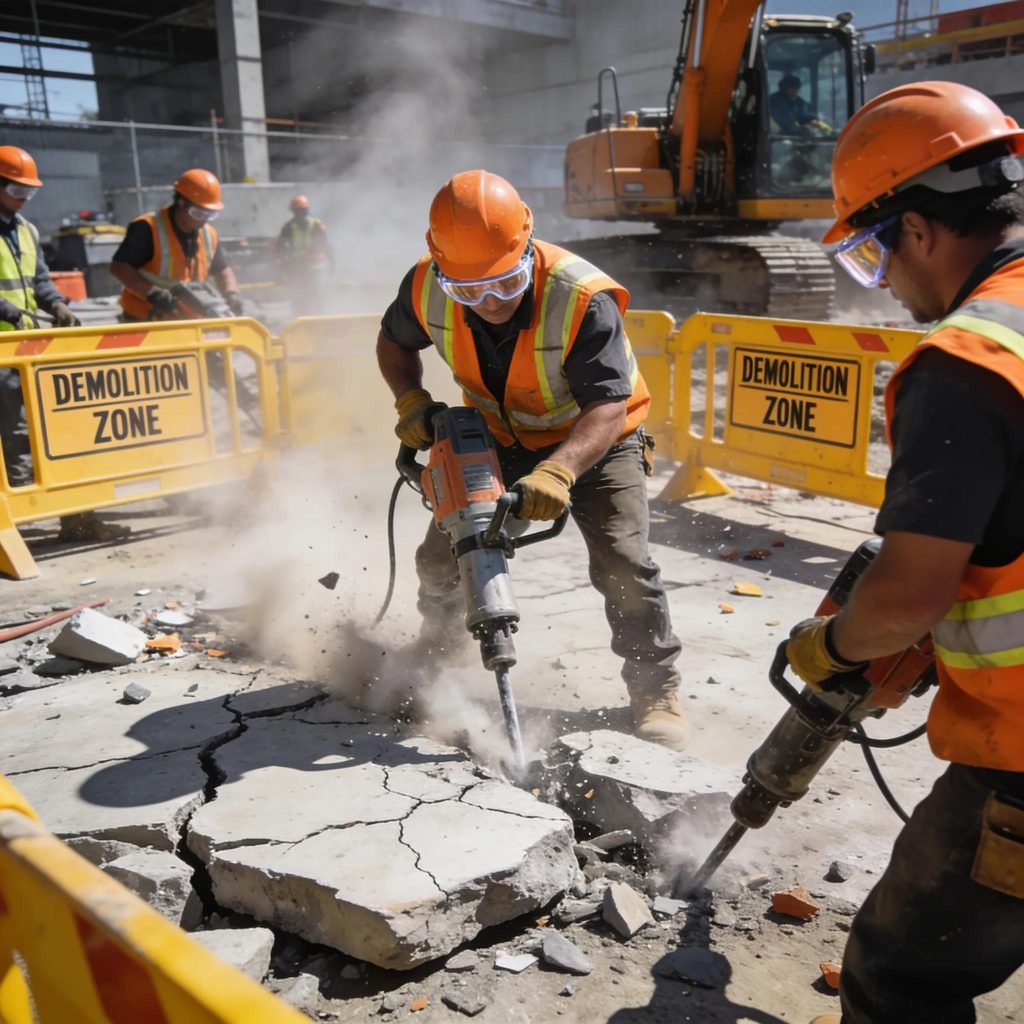
Concrete demolition is essential in various construction and remodeling projects. This guide explores the primary methods and safety considerations necessary for effective and efficient concrete demolition. Readers will gain insights into engineered concrete demolition techniques, the step-by-step procedures for safe concrete slab removal, and the safety regulations that govern these operations. Understanding these aspects assures a successful demolition project while minimizing risks associated with construction chaos. Furthermore, the article will delve into how commercial concrete removal services enhance project efficiency and client satisfaction, and the emerging technologies that shape the field of concrete demolition as of 2023.
Engineered concrete demolition involves a strategic approach designed to minimize impact while ensuring safety and efficiency. This method includes controlled demolition techniques and mechanical breaking, which differ significantly in their execution and results. Controlled demolition allows for precision in removing specific structures while mitigating risks to surrounding areas, whereas mechanical breaking is often speedier but less targeted.
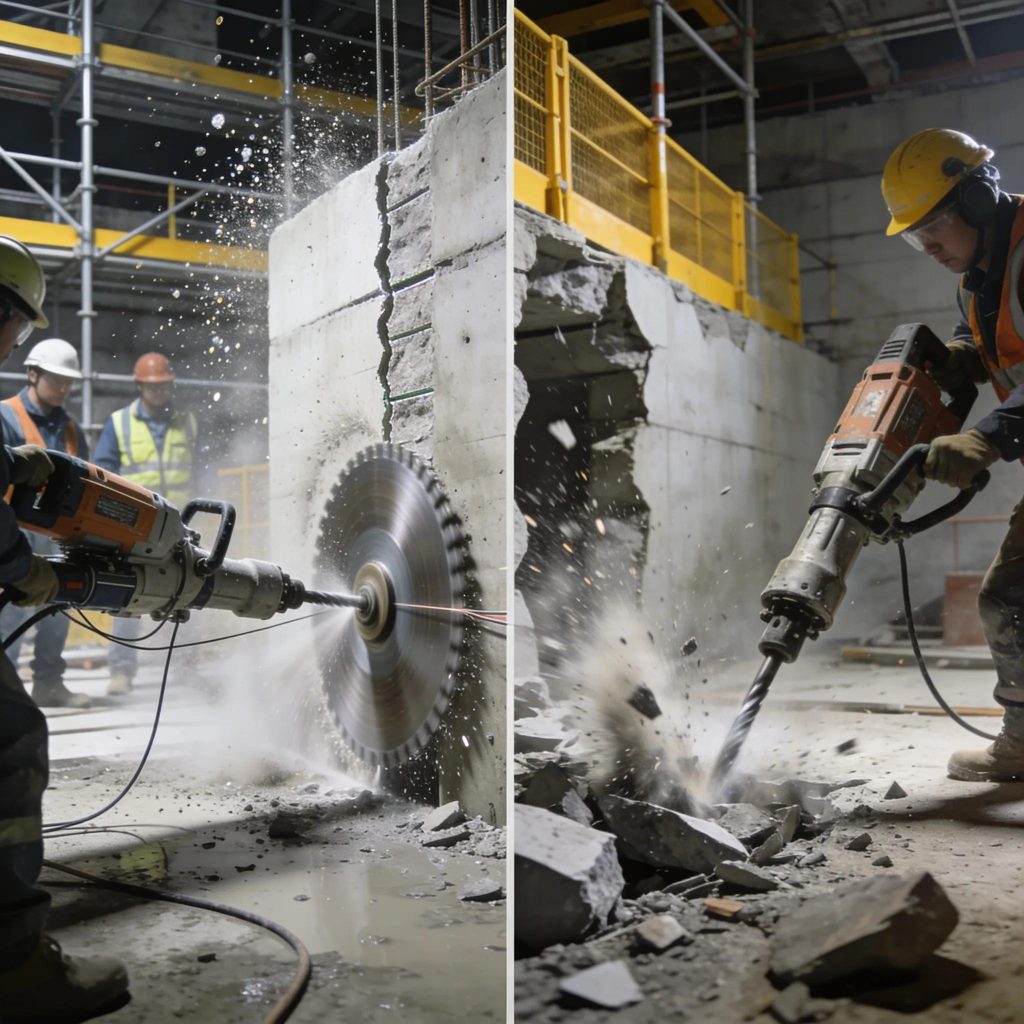
Controlled demolition employs methods such as implosion and wire saw cutting, aimed at targeting specific structures with minimal disturbance to the surroundings. This technique often utilizes precise explosives or sophisticated machinery that carefully dismantles the concrete. Conversely, mechanical breaking generally involves heavy equipment, such as jackhammers and hydraulic breakers, to quickly reduce concrete to rubble, but may lead to more extensive collateral damage.
A variety of equipment is employed in concrete breaking, tailored to the scale and specific needs of the project. Common tools include:
Selecting the appropriate equipment ensures that the demolition process is effective, safe, and minimizes disruption.
Concrete slab removal involves several essential procedures aimed at maintaining safety standards and ensuring project effectiveness. The process includes site assessment, securing necessary permits, and implementing safety protocols to protect workers and the environment.
Adhering to safety standards begins with a thorough site analysis, incorporating risk assessments and compliance with OSHA regulations. Workflow steps include:
These procedures lay the foundation for safe demolition operations while complying with legal requirements.
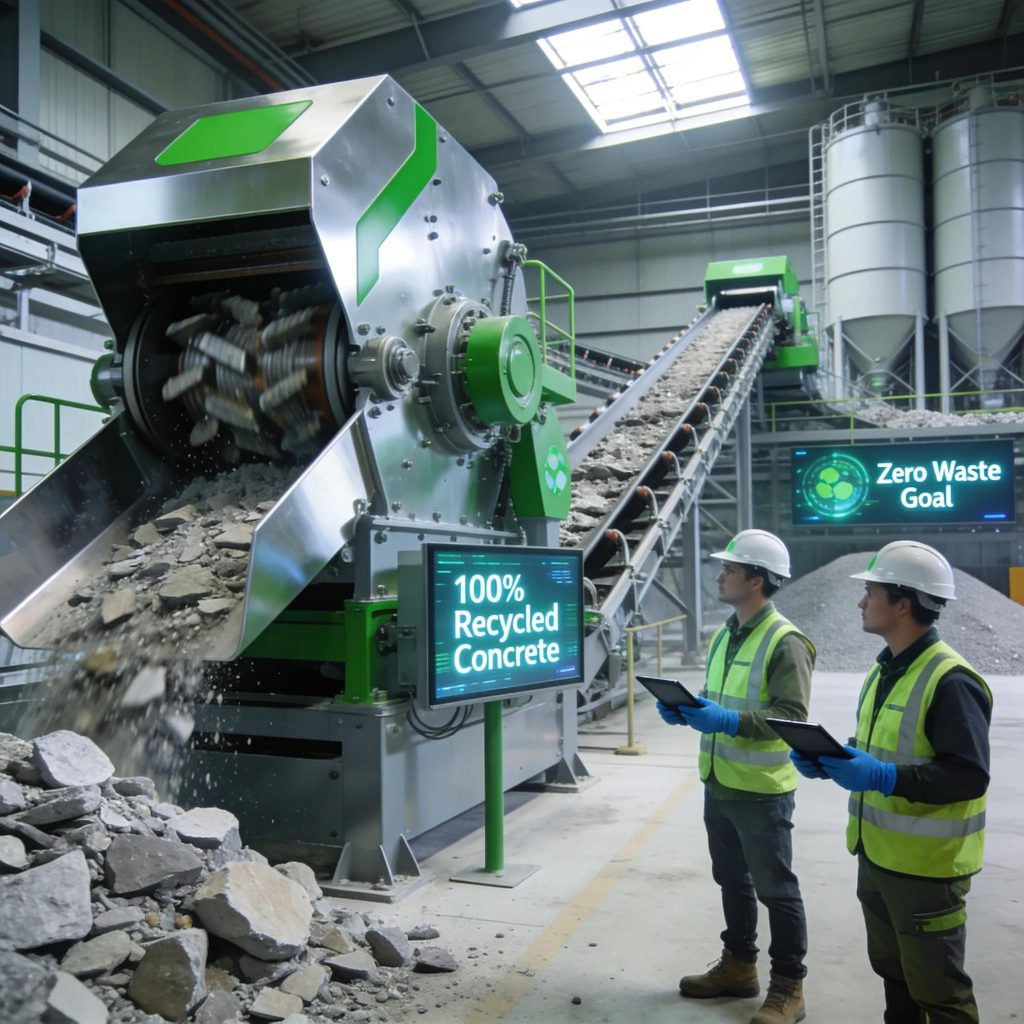
Effective management and recycling of concrete waste are crucial for minimizing environmental impact. Post-demolition, concrete can be reused or recycled through various methods, such as:
Implementing these recycling methods contributes to sustainable construction practices and reduces the ecological footprint of demolition projects.
Safety protocols and compliance regulations are paramount in concrete demolition to protect workers and the public. Standards set forth by OSHA and other regulatory bodies dictate the necessary measures for safe practice.
OSHA standards play a crucial role in shaping safety practices within demolition projects. Key regulations include:
Overall, these standards significantly reduce risks associated with demolition work, creating a safer environment.
Environmental guidelines outline the strategies for waste disposal and recycling, emphasizing the importance of compliance with local waste management laws. Key considerations include:
Adhering to these regulations ensures responsible waste management and contributes to environmental sustainability.
Commercial concrete removal services typically focus on ensuring efficiency and meeting client-specific requirements. By employing expert teams and the latest technology, these services enhance overall project workflows.
To minimize disruptions during demolition, effective communication and planning are crucial. Best practices include:
These practices optimize project efficiency while maintaining client satisfaction.
Customized demolition planning involves assessing the unique requirements of each project. Key elements include:
This personalized approach ensures that all aspects of the demolition process meet the specific needs of clients and builds rapport with stakeholders.
The field of concrete demolition is rapidly evolving with technological advancements and innovations. These changes enhance precision and efficiency while promoting safety.
Robotic systems are increasingly utilized in demolition for their precision and ability to navigate complex environments. Innovations include:
These technologies not only improve safety conditions but also streamline demolition processes for better efficiency.
Sustainability in demolition practices has seen significant advancements, fostering more environmentally conscious approaches. Current innovations involve:
These developments ensure that modern demolition remains aligned with contemporary environmental goals, creating a constructive mindset for future projects.