Flat Sawing Techniques for Horizontal Concrete Cuts
Mastering Flat Sawing Techniques
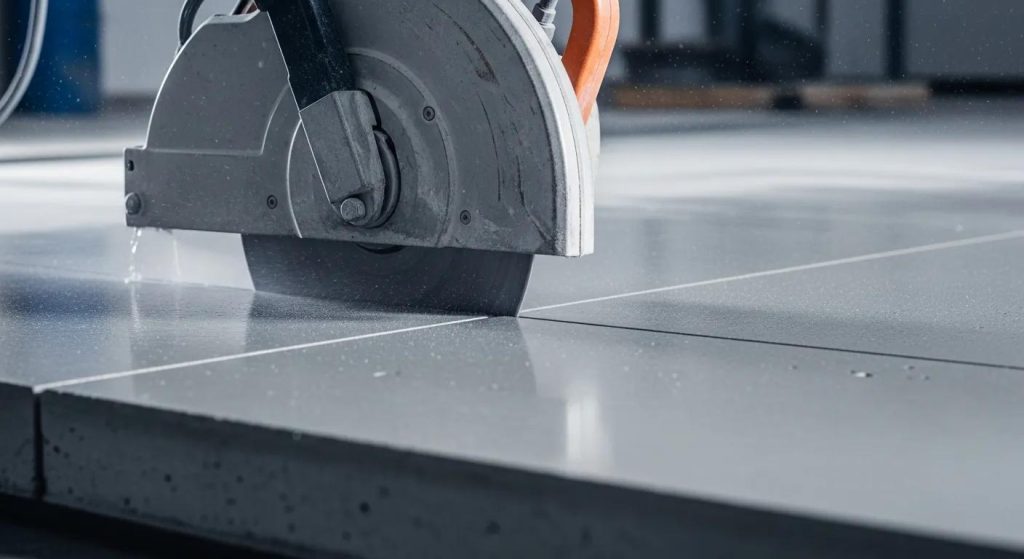
Flat sawing is a specialized technique used in concrete cutting that allows for precise horizontal cuts in various concrete surfaces. This method is essential for projects requiring clean and accurate cuts, such as floor renovations, road repairs, and utility installations.
In this article, we will explore the core techniques of flat sawing, its advantages over other methods, and the specialized equipment required for effective execution. Additionally, we will discuss safety measures, compliance protocols, and the role of advanced technologies in enhancing the efficiency of concrete cutting operations. By understanding these aspects, homeowners, contractors, and property owners can make informed decisions regarding their concrete cutting needs.
Further research emphasizes the importance of understanding effective methodologies for concrete cutting and demolition, considering factors like structural integrity, environmental impact, and cost-effectiveness.
Review of Concrete Cutting & Demolition Techniques
This review aims to understand the effective methodology for cutting or demolishing concrete structures more efficiently and safely. It also seeks to identify and recommend proper techniques and tools for concrete cutting and demolition, considering various factors such as structural integrity, environmental impact, and cost-effectiveness.
Concrete Cutting and Structural Demolition Techniques: A Review, M Tazowar, 2022
What Are the Core Concrete Slab Cutting Techniques Used in Flat Sawing?
Flat sawing employs several core techniques that ensure effective and efficient cutting of concrete slabs. The primary methods include:
- Saw Cutting Methods: This involves using a flat saw equipped with a diamond blade to create precise cuts in horizontal surfaces. The saw is typically powered by a hydraulic or electric motor, allowing for controlled and accurate cutting.
- Mechanical Removal Techniques: In addition to saw cutting, mechanical methods may be employed to remove larger sections of concrete. This can include the use of jackhammers or other heavy machinery to facilitate the removal process.
- Prevention of Cracking: One of the key advantages of flat sawing is its ability to minimize cracking during the cutting process. By using the right techniques and equipment, operators can ensure that the integrity of the surrounding concrete is maintained.
These techniques form the foundation of flat sawing, making it a preferred choice for many concrete cutting projects.
Ensuring the structural integrity of concrete pavements and preventing uncontrolled cracking often hinges on the precise timing of saw cuts, a critical aspect explored in specialized studies.
Optimal Timing for Saw Cutting Concrete Pavements
This study introduces a method to determine the timing of saw cutting based on the concrete properties and environmental conditions, on the behavior of concrete pavements. The introduction of the saw cut should be placed at the optimal time to prevent uncontrolled cracking and ensure the structural integrity of the pavement.
Methodology for determining the timing of saw cutting in concrete pavements, K Raoufi, 2008
How Does Flat Sawing Differ from Other Horizontal Concrete Cutting Methods?
Flat sawing stands out from other horizontal concrete cutting methods due to its unique application and efficiency. Unlike traditional methods, flat sawing utilizes a diamond blade that allows for deeper cuts with minimal vibration. This results in:
- Application Differences: Flat sawing is particularly effective for cutting thick concrete slabs, making it suitable for various applications, including roadways and industrial floors.
- Efficiency in Removal: The precision of flat sawing enables faster removal of concrete, reducing project timelines and labor costs.
- Minimization of Damage: The controlled nature of flat sawing minimizes damage to surrounding structures, making it a safer option for urban environments.
These distinctions highlight why flat sawing is often the method of choice for contractors and property owners alike.
What Are the Advantages of Using Slab Saw Methods for Concrete Floor Cutting?
Slab saw methods offer several advantages that make them ideal for concrete floor cutting:
- Clean, Accurate Cuts: The use of diamond blades ensures that cuts are clean and precise, reducing the need for additional finishing work.
- Low Vibration: Flat sawing produces less vibration compared to other cutting methods, which helps to preserve the integrity of the surrounding concrete.
- Controlled Execution: Operators can maintain better control over the cutting process, leading to improved safety and efficiency.
For those seeking professional concrete demolition services, OKC Concrete Demolition specializes in flat sawing techniques, providing precise slab saw methods and concrete floor sawing to facilitate efficient concrete removal. Their expertise ensures that homeowners, property owners, contractors, and businesses in Oklahoma City receive high-quality service tailored to their specific needs.
Which Specialized Equipment Is Essential for Effective Flat Saw Concrete Cutting?
Effective flat sawing requires specialized equipment designed to handle the demands of concrete cutting. Key equipment includes:
- Wire Sawing Systems: These systems utilize a continuous loop of wire with diamond segments, allowing for intricate cuts in thick concrete.
- Diamond Cutting Tools: Essential for achieving clean cuts, diamond blades are specifically designed for durability and efficiency in concrete applications.
- Robotic Demolition Units: Advanced robotic systems can perform flat sawing with precision, reducing the need for manual labor and enhancing safety on job sites.
The right equipment is crucial for successful flat sawing, ensuring that projects are completed efficiently and safely.
What Role Do Diamond Blade Saws Play in Horizontal Concrete Cutting?
Diamond blade saws are integral to the flat sawing process, providing several benefits that enhance cutting performance. These saws are designed to:
- Provide Clean Cuts: The diamond segments on the blades allow for smooth and precise cuts, reducing the need for additional finishing.
- Reduce Dust: Diamond blades generate less dust compared to traditional blades, contributing to a cleaner work environment.
- Maintain Structural Integrity: By minimizing vibrations and ensuring accurate cuts, diamond blade saws help preserve the structural integrity of the surrounding concrete.
The effectiveness of diamond blade saws makes them a preferred choice for contractors engaged in horizontal concrete cutting.
How Are Slab Saws Operated to Ensure Precision and Safety?
Operating slab saws requires a thorough understanding of safety protocols and operational procedures. Key practices include:
- Assessment and Verification: Before cutting, operators must assess the work area and verify that all safety measures are in place.
- OSHA-Compliant Procedures: Adhering to OSHA guidelines ensures that operators maintain a safe working environment, reducing the risk of accidents.
- Risk Mitigation Strategies: Implementing strategies to mitigate risks, such as using protective gear and ensuring proper equipment maintenance, is essential for safe operations.
These operational practices are vital for ensuring precision and safety during flat sawing.
What Safety Measures and Compliance Protocols Govern Concrete Floor Sawing?
Safety measures and compliance protocols are critical in the concrete sawing industry. Key protocols include:
- PPE Requirements: Personal protective equipment, such as safety goggles, gloves, and hearing protection, must be worn by all personnel on site.
- Regular Safety Training: Ongoing training ensures that all workers are aware of safety practices and can respond effectively to emergencies.
- Equipment Inspections: Regular inspections of cutting equipment help identify potential issues before they lead to accidents.
By adhering to these safety measures, contractors can create a safer work environment for all involved.
How Does OSHA Compliance Influence Flat Sawing Operations?
OSHA compliance plays a significant role in shaping flat sawing operations. Key influences include:
- Safety and Efficiency: Compliance with OSHA regulations ensures that safety measures are in place, which can enhance overall operational efficiency.
- Preventing Utility Strikes: Adhering to safety protocols helps prevent accidents, such as utility strikes, which can lead to costly delays and hazards.
- Maintaining Project Timelines: By following OSHA guidelines, contractors can avoid interruptions caused by safety violations, ensuring that projects stay on schedule.
Understanding the impact of OSHA compliance is essential for contractors engaged in flat sawing.
What Dust Control and Protective Gear Are Required During Concrete Cutting?
Effective dust control and protective gear are essential during concrete cutting to ensure a safe work environment. Key measures include:
- Advanced Dust Control Techniques: Utilizing water suppression systems or vacuum attachments can significantly reduce dust generation during cutting.
- PPE for Workers: Workers should wear appropriate protective gear, including respirators, to minimize exposure to harmful dust particles.
- Regular Safety Training: Training workers on the importance of dust control and proper use of PPE is crucial for maintaining safety standards.
Implementing these measures helps protect workers and the surrounding environment during concrete cutting operations.
How Are Cost Factors Determined for Concrete Cutting Services in Oklahoma City?
Cost factors for concrete cutting services can vary based on several variables, including:
- Project Scope: The size and complexity of the project directly influence the overall cost of concrete cutting services.
- Type of Concrete: Different types of concrete may require specialized cutting techniques, affecting pricing.
- Precision Requirements: Projects that demand higher precision may incur additional costs due to the need for specialized equipment and skilled labor.
Understanding these cost factors can help clients budget effectively for their concrete cutting needs.
What Variables Affect Pricing for Flat Sawing and Horizontal Concrete Cuts?
Several variables can impact pricing for flat sawing and horizontal concrete cuts, including:
- Project Complexity: More complex projects typically require more time and resources, leading to higher costs.
- Site Conditions: Difficult site conditions, suchs as limited access or the presence of utilities, can increase the overall cost of cutting services.
- Safety and Compliance Costs: Ensuring compliance with safety regulations may require additional investments in equipment and training, affecting pricing.
By considering these variables, clients can better understand the pricing structure for concrete cutting services.
How Can Project Planning Minimize Disruption and Ensure Budget Compliance?
Effective project planning is essential for minimizing disruption and ensuring budget compliance in concrete cutting projects. Key strategies include:
- Risk Identification: Identifying potential risks early in the planning process allows for proactive measures to be implemented.
- Controlled Demolition Methods: Utilizing controlled demolition techniques can help minimize disruption to surrounding areas.
- Efficient Execution: Streamlining the cutting process through careful planning can lead to significant time and cost savings.
Implementing these strategies can enhance the overall success of concrete cutting projects.
What Are Recent Local OKC Concrete Demolition Projects Demonstrating Flat Sawing Excellence?
Recent projects in Oklahoma City have showcased the effectiveness of flat sawing techniques in various applications. These projects highlight:
- Showcase of Successful Projects: Demonstrating the capabilities of flat sawing in both residential and commercial settings.
- Demonstration of Techniques: Providing insights into the specific techniques used to achieve successful outcomes.
- Client Satisfaction: Highlighting the positive feedback from clients regarding the quality and efficiency of the work performed.
These examples illustrate the value of flat sawing in meeting diverse concrete cutting needs.
Which Case Studies Highlight Effective Use of Flat Sawing Techniques?
Several case studies have documented the effective use of flat sawing techniques in concrete cutting projects. These studies provide:
- Detailed Project Analysis: In-depth examinations of specific projects that utilized flat sawing methods.
- Outcomes and Results: Insights into the results achieved through the application of flat sawing techniques.
- Lessons Learned: Valuable takeaways that can inform future projects and improve overall practices.
These case studies serve as a resource for contractors and clients seeking to understand the benefits of flat sawing.
How Do Client Testimonials Reflect Quality and Reliability in Concrete Cutting Services?
Client testimonials play a crucial role in reflecting the quality and reliability of concrete cutting services. Key insights include:
- Trust and Satisfaction: Positive feedback from clients indicates a high level of trust in the services provided.
- Professionalism: Testimonials often highlight the professionalism of the contractors and their commitment to quality work.
- Commitment to Quality: Consistent positive reviews demonstrate a dedication to delivering high-quality results in concrete cutting projects.
These testimonials can help potential clients make informed decisions when selecting concrete cutting services.
How Does OKC Concrete Demolition Integrate Advanced Technologies and Environmental Practices?
OKC Concrete Demolition is at the forefront of integrating advanced technologies and environmental practices in concrete cutting. Key initiatives include:
- Robotic Demolition Systems: Utilizing robotic systems enhances precision and safety in concrete cutting operations.
- Wire Sawing Systems: These systems allow for intricate cuts while minimizing waste and environmental impact.
- Dust Control Technologies: Implementing advanced dust control measures helps protect both workers and the environment during cutting operations.
These practices demonstrate a commitment to innovation and sustainability in the concrete demolition industry.
What Eco-Friendly Cutting Methods and Dust Control Technologies Are Employed?
Eco-friendly cutting methods and dust control technologies are increasingly important in the concrete cutting industry. Key methods include:
- Hydro Demolition: This method uses high-pressure water jets to remove concrete, significantly reducing dust and debris.
- Dust Control Systems: Advanced systems are employed to capture dust at the source, ensuring a cleaner work environment.
- Environmental Impact: These eco-friendly practices contribute to reducing the overall environmental footprint of concrete cutting operations.
By adopting these methods, contractors can enhance their sustainability efforts while maintaining high-quality service.
How Is Structured Data and Local SEO Used to Enhance Service Visibility?
Structured data and local SEO play a vital role in enhancing the visibility of concrete cutting services. Key strategies include:
- Structured Data Markup: Implementing structured data helps search engines understand the services offered, improving search visibility.
- Local Business Schema: Utilizing local business schema enhances the chances of appearing in local search results, attracting more clients.
- Content Marketing: Creating valuable content that addresses client needs can improve organic search rankings and drive traffic to service pages.
These strategies are essential for ensuring that concrete cutting services reach their target audience effectively.