

Selective interior demolition and strip-out services play a crucial role in commercial redevelopment projects. These specialized services focus on removing specific interior structures while preserving essential building components, optimizing efficiency, and maintaining a clean site. This article provides an in-depth understanding of selective demolition, its execution by contractors, and the associated processes such as waste management and safety protocols. Readers will gain insight into how these services facilitate renovations and transformations in Oklahoma City. Additionally, we’ll explore the costs involved and necessary permits, guiding you through a comprehensive approach to commercial concrete demolition.
Selective interior demolition, often referred to as strip-outs, involves the careful removal of non-structural elements within a building, such as drywall, flooring, and fixtures. This process enables organizations to upgrade existing spaces while minimizing waste and disruption. Contractors adopt specific techniques like targeted dismantling and recycling to ensure that only the intended materials are removed without compromising structural integrity. By focusing on efficiency, selective demolition supports sustainable practices through waste reduction and reintegration of reusable materials into the project.
The strategic relocation and demolition of facilities, such as those discussed in the context of Tinker AFB, highlight the extensive planning and positive impacts that selective demolition and redevelopment can have on large-scale urban infrastructure.
Tinker AFB Redevelopment: Demolition and Renovation in Oklahoma City
1. Tinker AFB is considering leasing the former GM Oklahoma City assembly plant to the south of Tinker AFB. This 430-acre parcel of land with 3.8 million square feet SF of industrial and manufacturing facility space provides an opportunity to relocate and consolidate numerous Oklahoma City Air Logistics Center OC-ALC maintenance activities into one facility known as TAC. In turn, approximately 1.9 million SF of deteriorated or substandard facilities on Tinker AFB would be demolished, avoiding approximately 470 million in military construction MILCON funds needed to perform required renovations on these facilities. The TAC initiative would also provide the OC-ALC with valuable space that could be leveraged in the future for attracting additional depot-level maintenance workload.
Environmental Assessment for Tinker Aerospace Complex Tinker Air Force Base, Oklahoma, 2008

Commercial demolition contractors in Oklahoma City implement a comprehensive strategy to execute concrete floor demolition. The process begins with a thorough assessment and planning phase, where contractors examine the site and determine the best techniques suited for the project. They utilize advanced equipment and tools designed for concrete cutting and breaking, ensuring precise execution while adhering to safety standards. Additionally, contractors prioritize the implementation of safety measures, including protective gear and site barricades, to safeguard workers and the surrounding environment during demolition activities.
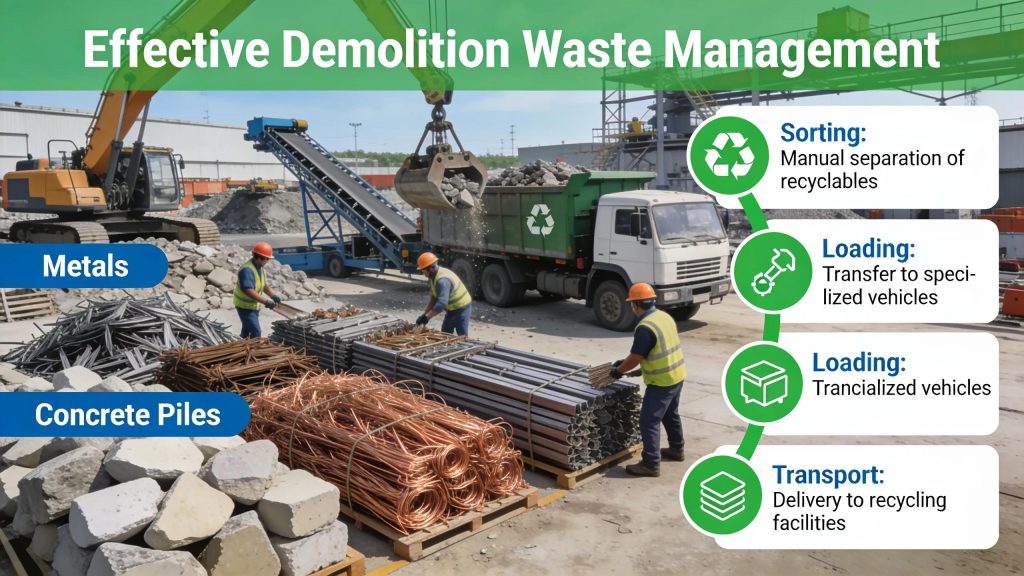
Effective waste management practices are vital in the demolition industry, where the disposal of debris can have significant environmental impacts. Contractors often employ recycling methods to handle materials salvaged during selective demolition. Common practices include sorting waste into recyclables such as metals and concrete, which can be processed and reused in new construction projects. Understanding legal requirements for waste disposal is crucial to ensure compliance with local regulations and promote sustainability. Engaging professionals in waste management can streamline the process and mitigate landfill contributions.
Understanding the costs associated with selective interior demolition is essential for planning a commercial project. Prices can vary widely based on factors such as the scope of the demolition, the building’s location, and the type of materials involved. Typically, concrete removal costs range from $3 to $7 per square foot, depending on the complexity and safety measures required. Here are some key factors influencing overall costs:
| Service Type | Cost Range | Factors Influencing Cost |
|---|---|---|
| Concrete Floor Demolition | $3 – $7 per square foot | Accessibility, thickness, waste management |
| Selective Demolition Services | Varies based on scope | Site conditions, permits required |
| Debris Removal | $200 – $600 per load | Volume, type of materials |
Obtaining quotes from multiple contractors can help in determining a competitive rate suited for your project needs.
Before commencing any demolition work in Oklahoma City, obtaining the necessary permits is critical to ensure compliance with local regulations. Common permits required may include general demolition permits, environmental assessments, and waste disposal documentation. The application process typically involves submitting project plans and specifications to relevant municipal departments. By adhering to these requirements, contractors help facilitate a smoother project execution while ensuring adherence to safety and legal standards.
Safety is paramount in the field of selective interior demolition. The Occupational Safety and Health Administration (OSHA) outlines various protocols essential for safeguarding workers on demolition sites. These include comprehensive training programs that teach proper use of equipment, recognition of hazards, and implementation of safety measures such as fall protection and respirator use. By strictly following these safety standards, contractors not only protect their workforce but also contribute to a safer working environment for all involved in the project.
To ensure client satisfaction during a selective interior demolition project, reducing disruption and maintaining high-quality standards is vital. Effective communication strategies, such as regular project updates and addressing client concerns promptly, are essential in building trust. Moreover, scheduling flexibility allows for timely adjustments according to client needs while introducing quality control measures ensures that all work meets the client’s specifications. Overall, adopting these client-centric measures fosters positive relationships and underscores a commitment to excellence in service delivery.