
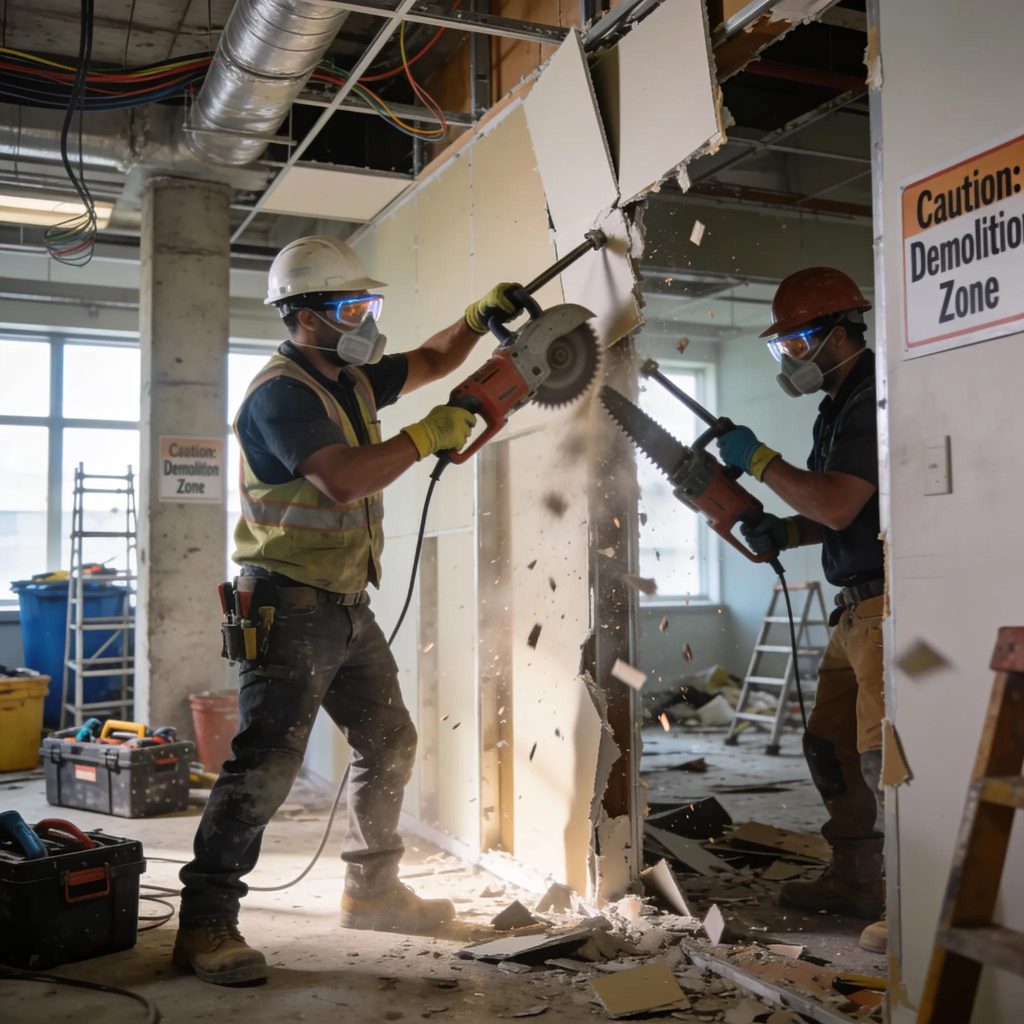
Selective interior demolition and strip-out services are essential for businesses seeking to effectively renovate or repurpose their commercial spaces in Oklahoma City. These specialized services focus on removing non-structural elements, such as walls, partitions, and fixtures, while preserving the building’s overall structural integrity. This comprehensive guide explores the intricacies of selective demolition and the significant benefits it provides for commercial properties.
Many business owners face challenges around compliance, safety, and proper waste management during renovation projects. Employing qualified contractors skilled in selective demolition can alleviate these concerns, ensuring the renovation is not only efficient but also compliant with local regulations. The following sections will discuss the types of services offered, safety compliance measures, the equipment used, waste management practices, factors affecting costs, and why hiring specialized contractors is crucial for success.
Selective interior demolition involves the careful removal of specific structures within a building while preserving its essential framework. This process is vital to maintaining the integrity of a property, especially during renovations or refurbishments. Unlike traditional demolition, which typically involves complete demolition of buildings, selective demolition is more nuanced, focusing on targeted areas for removal.
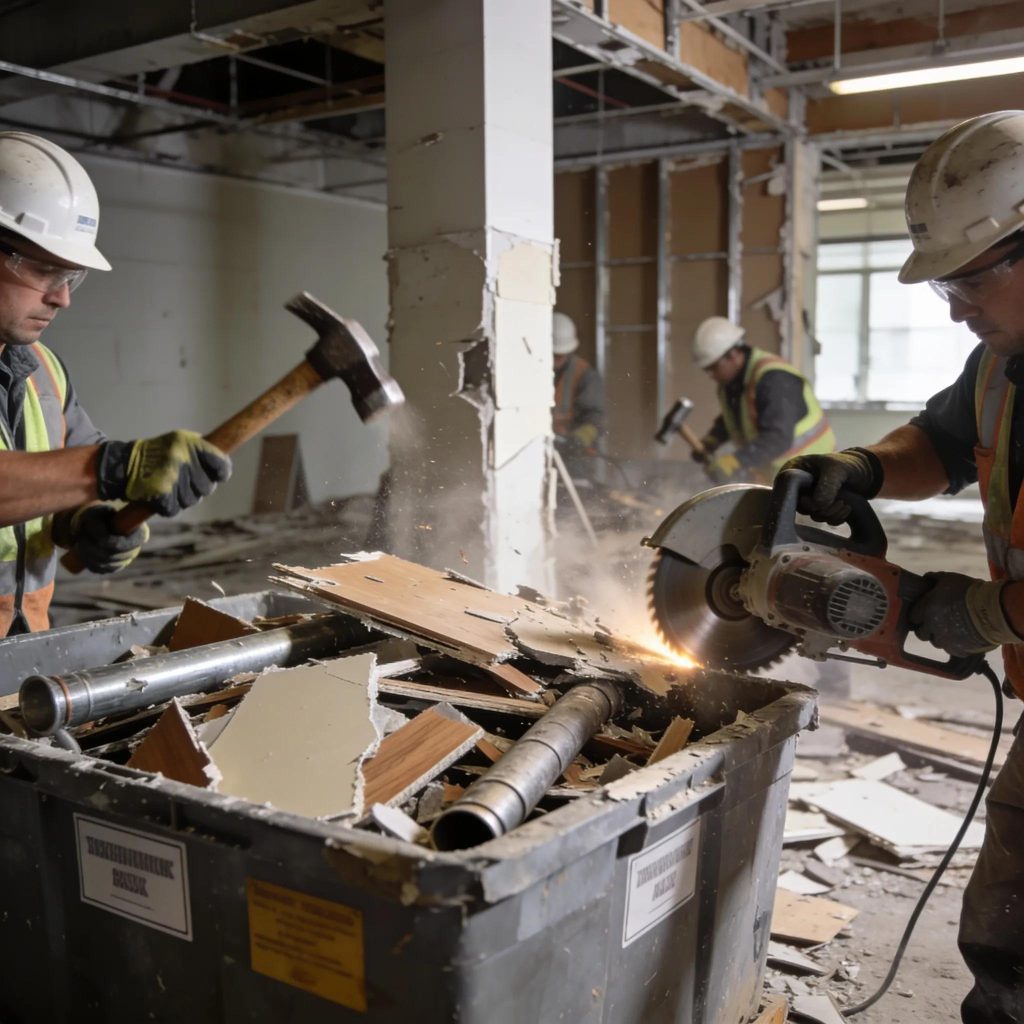
Various types of selective demolition services are commonly performed in commercial and industrial environments. These include:
These methods are critical for companies looking to modernize their spaces while minimizing disruption.
Interior strip-out services are designed meticulously to ensure the structural integrity of a building is maintained throughout the renovation process. Techniques such as careful planning, thorough assessments, and strategic removal are utilized. Contractors typically employ shoring systems to support structural elements during the dismantling phase. By analyzing load-bearing walls and critical infrastructure, specialists can ensure that the essential framework remains intact, thus avoiding potential collapse or damage.
In Oklahoma City, commercial interior demolition contractors adhere to strict safety and regulatory standards to protect themselves and the properties they work on. Compliance with local laws and safety guidelines is fundamental to executing demolition projects successfully.
Several OSHA standards apply to selective demolition projects, such as regulations regarding fall protection, hazard communication, and respiratory protection. Local regulations also play a crucial role, often requiring permits and inspections to ensure compliance with safety codes. This regulatory framework is essential for maintaining industry standards and ensuring a safe working environment.
Contractors implement various safety protocols, including:
These measures collectively mitigate risks associated with interior demolition, prioritizing worker safety and compliance.
The efficiency of selective interior demolition processes significantly depends on the heavy machinery and technology employed. Specialized equipment is crucial in ensuring safety and effectiveness during projects.
Key machinery and tools used in controlled interior demolition include:
Choosing the right equipment improves efficiency in demolition tasks, resulting in less time and labor required.
Innovative technologies have improved safety and efficiency in demolition projects significantly. Modern tools, such as laser scanning systems, allow contractors to conduct precise measurements and plan demolition activities more accurately. Additionally, project management software has enabled better scheduling and workflow management, reducing the likelihood of project delays and enhancing overall project execution.
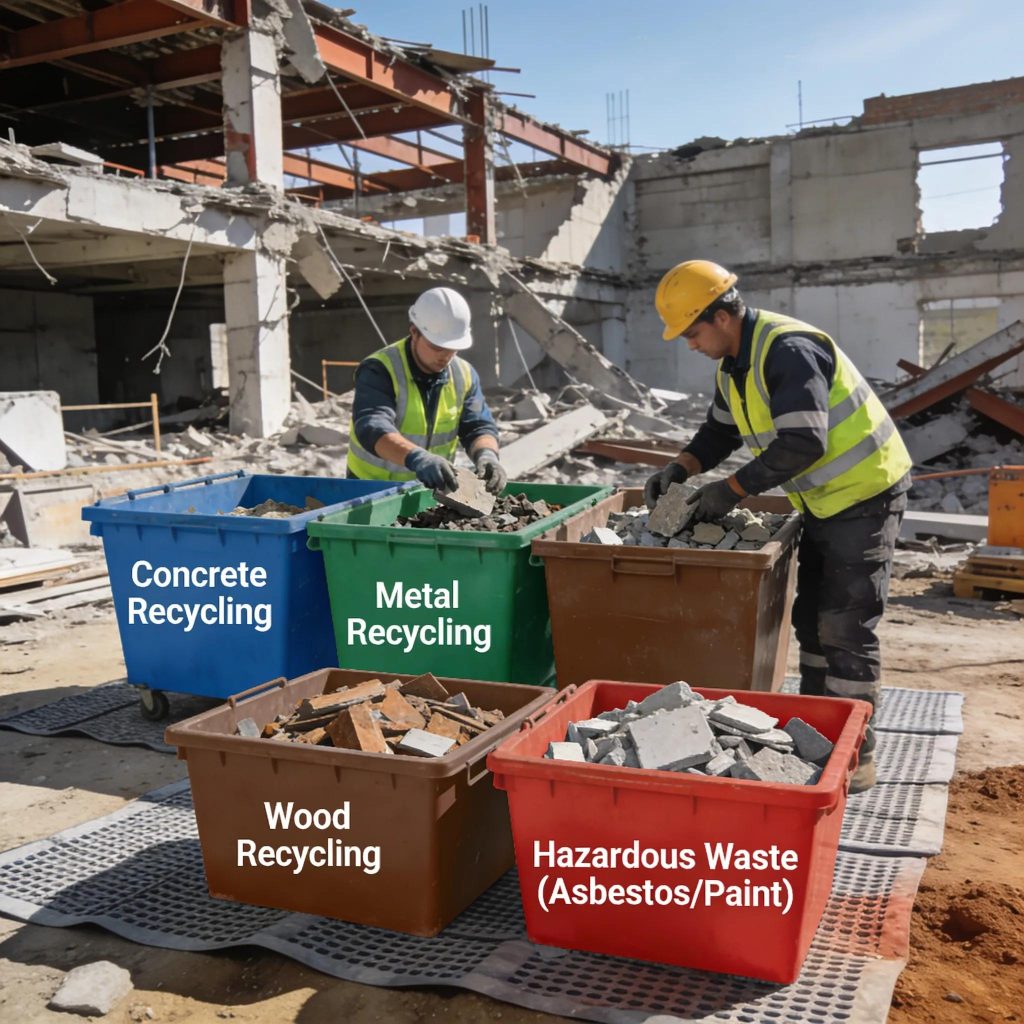
Effective waste management and recycling are paramount in selective demolition projects to comply with environmental regulations and minimize landfill use. Proper handling of construction debris contributes to sustainable renovation practices.
Demolition specialists must follow stringent regulations regarding waste disposal, including:
These mandated practices ensure that waste is disposed of responsibly while protecting the environment.
Many contractors adopt sustainable practices, such as:
Through these practices, contractors can significantly reduce environmental impact, creating a more sustainable future for construction and renovation.
Understanding the cost and timeline associated with selective demolition is crucial for proper budget management and project planning. Several variables influence these factors, impacting the overall price and duration of the project.
Several key pricing variables include:
These factors should be considered when budgeting for selective demolition, as they can vary significantly based on the project specifications.
Effective project management strategies play a vital role in ensuring timely completion and minimal disruption during demolition projects. Strategies include:
Such strategies promote a smoother renovation process, ultimately leading to successful project outcomes.
When it comes to selective interior demolition and strip-out services, hiring specialized contractors provides several advantages. These professionals bring a wealth of experience and knowledge, ensuring compliance with various regulations while prioritizing safety.
Expert demolition contractors should possess the following qualifications and certifications:
These qualifications are essential in ensuring that a contractor is capable of handling complex demolition tasks efficiently.
Local case studies reveal numerous successful selective demolition projects that have transformed buildings while minimizing disruption. Examples include:
These cases highlight the importance of expertise in achieving favorable outcomes in selective demolition projects.